Views: 0 Author: Site Editor Publish Time: 2025-07-25 Origin: Site


In today's crowded market, your cosmetic packaging design can make or break a sale. It's more than just a container. It is a direct reflection of your brand identity and customer experience.Great packaging grabs a customer's eye.It makes them notice your product among many choices.Understanding how to create high-converting packaging is crucial.This guide will walk you through designing cosmetic packaging that is both beautiful and sells well.
Packaging is the first contact a consumer has with your product.Its appeal on the shelf determines if a customer will pick it up.It also shapes the customer's unboxing experience. A good packaging design combines protection, branding, and marketing all in one.
First, its most basic function is to protect the product.It ensures the product arrives safely from the factory to the store shelves.Nothing disappoints a customer more than receiving damaged goods.
Additionally, packaging design deeply impacts consumer trust and loyalty.High-quality packaging is often associated with high-grade products.When customers see well-designed, quality packaging, they are more likely to trust the brand and its products.
Hallmarks of Successful Cosmetic Packaging:
A luxurious unboxing experience: This is often achieved with high-end features like magnetic rigid boxes that create a premium feel for the customer.
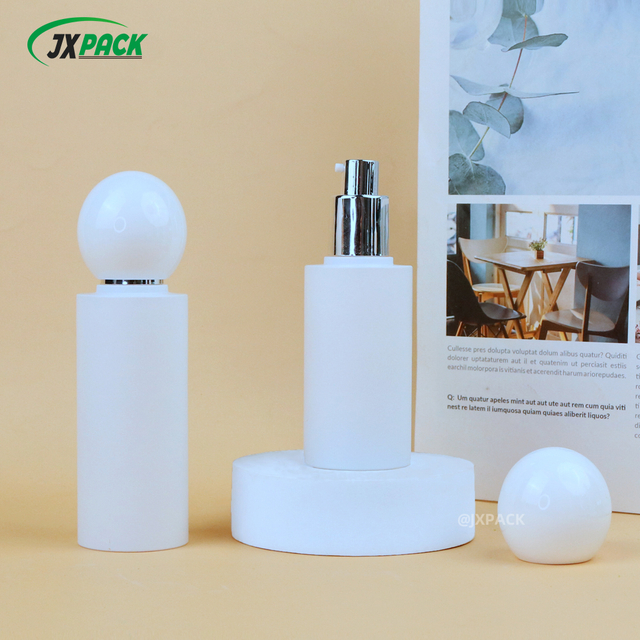
A clear aesthetic direction: Successful brands often choose a distinct style, such as a minimalist look using black and white for elegance, or a bold aesthetic for a youthful market.
An emphasis on sustainability: Using eco-friendly materials like bamboo, recycled paper, or refillable jars helps attract green-conscious buyers.
Elegant finishing touches: Small details are used to enhance the feeling of quality, such as foil stamping and embossing to add a touch of elegance.
Before you start designing, you need to sort out a few basic principles.How do you define your brand?Who does your brand appeal to?Answering these questions will give your packaging design a better path.
Defining who you are and what you represent is the most crucial step of the project.You can start with the products you plan to sell.
Luxury vs. minimalist vs. eco-friendly: What feeling does your brand want to project?If you sell high-end cosmetics, then upscale materials and a luxe experience are a natural fit.If your brand is eco-friendly, sustainable materials are a must.
Target audience (gender, age, lifestyle): Who is your ideal customer?Is it for young professional women, or a more mature consumer base?Or maybe a product line designed specifically for men?Knowing your target audience helps you design packaging that resonates with them.
The products you sell lay the groundwork for defining your brand.
Skincare vs. makeup vs. haircare packaging differences: Different products need different packaging.For example, shampoo and conditioner almost always come in plastic, squeezable bottles.A glass bottle of perfume or essential oil, however, may require an exterior box.
High-end vs. budget-friendly aesthetics: The packaging's aesthetic should match the product's positioning. High-end products require luxury branding.You can think about whether it is luxury with an edge, or something more glamorous.Or maybe high-end products at relatively low costs?
It is vital to get a comprehensive view of the marketplace you are entering before you commit to a design.Research is a critical element in this process, whether you sell online, in-store, or both.
Identify trends (minimalist, bold, vintage): Look closely at competitor packaging, noting their typography, materials, and color schemes.You'll see that some categories may favor minimalist designs with bold typography, while others lean toward intricate illustrations or vintage styles.
Find gaps to differentiate your brand: Pick about five cosmetic companies you feel are direct competitors.We suggest choosing three direct competitors, one brand considered a step above, and one a step below.Assess each company's strengths and weaknesses and what shortcomings your brand can exploit.
Surveys, social media trends, unboxing videos: If you're a startup, market research can provide insight into buying patterns and habits.You can study social media shares and unboxing videos on YouTube. They tell you what consumers really like.
Popular colors, materials, and textures: Pay attention to current trends in colors, materials, and textures.Consumers are looking for brands they feel are relatable and understand their needs.
Material plays a huge role in cosmetic packaging design.The materials you choose affect your product's durability, texture, and shelf life.
Material Type | Features & Use Cases |
Glass | Gives a luxurious, sophisticated feel; suitable for high-end skincare. |
PET Plastic | Lightweight and lower cost;versatile.Skincare with high acid content requires materials like PET so containers do not disintegrate. |
Bamboo | A sustainable material that reflects an eco-ethos,appealing to green-savvy buyers. |
Recycled Paper | Another eco-friendly option that helps shape a brand's green image. |
Durability, weight, and cost: Packaging durability and functionality are the two main starting points for your design.Additionally, the weight of your packaging impacts shipping costs, especially for ecommerce.
Tamper-proof and travel-friendly designs: Safety is crucial. Many cosmetic companies use tamper-proof packaging.For example, a PET tamper-evident locking sleeve keeps the product safe while notifying the user if it has been opened.
The foundation of cosmetic packaging design starts with the container type you’ll use for your products.The makeup bottle you select depends on the product you intend to package.
Based on the products you intend to sell, you already have a starting point for your design. Common container types include:
Bottles (glass and plastic)
Tubes
Jars
Compacts
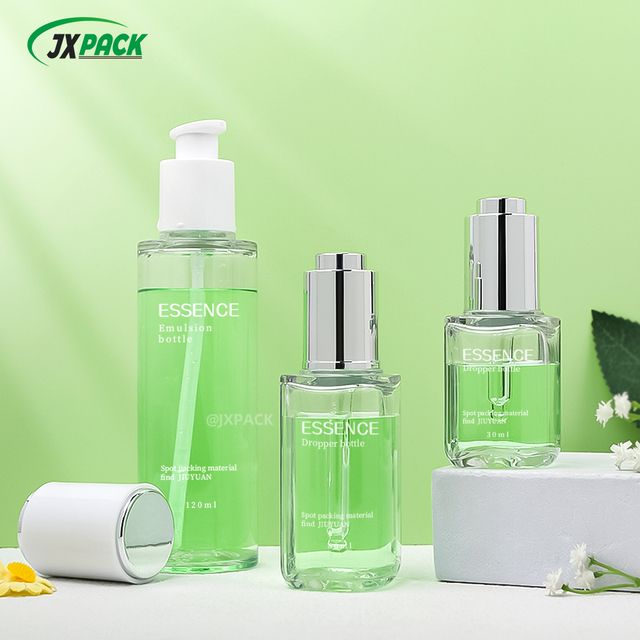
Droppers
Pumps
Sprayers
Do not be shy about attempting different variations.Uniquely shaped containers can help your products stand out from those in more typical forms and sizes. You can also consider special features that enhance the experience:
Magnetic closures: Magnetic rigid boxes provide a high-end unboxing experience.
Embossing: This finishing touch can enhance elegance.
Custom inserts: Custom-shaped inserts provide a snug fit and premium presentation.
Stroll down any cosmetics aisle, and the infinite array of colors, patterns, and shapes is bound to be overstimulating.The goal of any of these products is to make the customer look beautiful and feel spectacular.
Colors play a huge role in cosmetic packaging design.
Black & white (luxury): Black and white will always prove as standout choices for product packaging.Black is a power color that portrays luxury and sophistication.White often represents the height of minimalism.Paired together, they are a winning, classic color scheme.
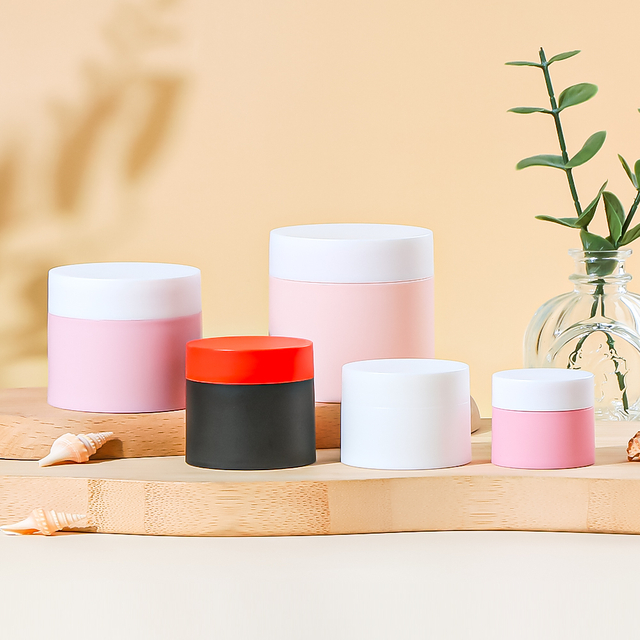
Pastels (soft, feminine): Pastels are pale hues of primary and secondary colors.They invoke tranquility, openness, and femininity, making them extremely popular in cosmetics packaging.
Bold colors (youthful, energetic): Warm tones (like red, yellow, orange) invoke enthusiasm and energy.Cool tones (like blue, green, purple) are meant to communicate a sense of relaxation or calm.
Similar to colors, the fonts and typography used in your packaging convey their own feelings.
Serif (classic) vs. sans-serif (modern): Serif fonts are the most traditional option, conveying class or a sense of being established.Sans serif is a far more modern font that is both simple and straightforward.
Script fonts (elegance) vs. bold fonts (masculine): Cursive or script fonts communicate sophistication and elegance.Bold letters or those in all caps invoke a strong, aggressive brand, often used in men's beauty lines.
Patterns are the final major design element of cosmetic packaging.Styles from minimalist, geometric, and Art Deco to floral and abstract are all on display.We suggest combining elements to carve your own path.
Minimalist vs. intricate designs: Hand-drawn florals or bold, industrial geometrics can both prove successful based on brand goals and consumer reaction.
Foil stamping, matte/glossy finishes, spot UV: Foil stamping and embossing can enhance elegance.Matte labels are great for high-end, natural, or organic items,while glossy labels display brilliant colors to their best advantage.
Along with your brand logo, copy, and graphics, your packaging may also require certain additional elements.
Ingredients, expiration dates, warnings: Your label may need to include ingredients, expiration dates, and government warnings to satisfy FDA regulations that govern cosmetic labeling.
Cruelty-free & vegan certifications: If your product is cruelty-free and not tested on animals, we suggest indicating that on your custom packaging as well.
Easy-to-open lids, pumps, sprayers: Your packaging should be catchy, but functional, too.Consider adding features like pumps, droppers, or spatulas.
User-friendly dispensing mechanisms: Skincare with an integrated spatula is more hygienic.A compact palette with a mirror is convenient.These minor details can make your products stand out.
Pre-test your packaging design before full production.
3D renders vs. printed samples: Whether it’s from your design team or your package supplier, create physical mockups to evaluate what your packaging will look like in the real world.This allows you and your team to experience what the consumer would in the store or during an unboxing.
Focus groups, customer surveys: Share prototypes with focus groups or prospective customers to measure responses.Evaluate its functionality, ease of use, and overall appeal.
Adjust based on usability & aesthetic appeal: Test if the label is readable, the container is easy to open, and the design fits your brand image.User-based iterations will ensure the final product is handsome and not impractical.
Okay. Now you’re ready to start bringing it all together.Unless you have a team of in-house designers, we strongly recommend working with a professional designer.
Reach out to packaging companies with experience to help guide you through the design and ordering process step-by-step.Review their minimum order quantities (MOQs), customization options, and lead times.
Balancing quality with budget: The more elaborate your design, the more you'll likely pay.Assess if custom packaging is necessary.It's okay to start small if you're a startup.
Bulk discounts for scaling brands: As your brand grows, you can test if more detailed packaging will vault you to further success.Many suppliers cater to companies of all scales with bulk packaging.
Market conditions are never static, and neither should your product packaging be.
Sustainable & refillable packaging: Sustainability is no longer a fad; it's a necessity.More and more consumers are into eco-friendly products.Use materials that are biodegradable, recyclable, or reusable.
Smart packaging (QR codes, NFC tags): Smart packaging is an emerging trend, using technology like QR codes and NFC tags to offer more product information and interactive experiences.
Personalized & interactive unboxing experiences: Inside printing or hidden messages can add delight to the unboxing.Consumers are looking for an experience.
Let’s look at the steps that brought you to this point.The entire process is interconnected.If you don’t have a clear idea of your brand and who it appeals to, you’re going to struggle with crafting cohesive packaging.
When designing your packaging, balance aesthetics, functionality, and brand identity. The first impression you make is with your packaging.Take your time and give the packaging design process the attention it deserves. Finally, always keep the customer experience in mind.
Need help designing your cosmetic packaging? [Get a free quote from experts]