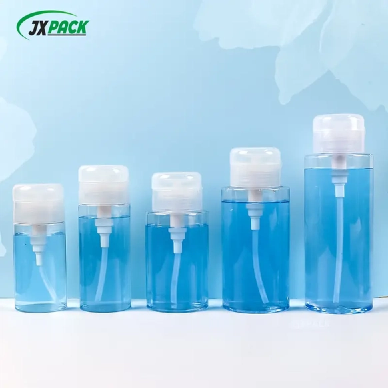
Views: 0 Author: Site Editor Publish Time: 2025-07-07 Origin: Site


Have you ever wondered why your favorite serum comes in a glass dropper bottle while your daily moisturizer is in a plastic pump? The container a product comes in is far from an afterthought; it’s a critical decision that impacts everything from the formula's stability to your experience as a customer. Choosing the right cosmetic packaging can feel overwhelming given the sheer variety of materials, shapes, and functions available. This choice is a silent ambassador for your brand, communicating quality, values, and purpose before the user even tries the product.
This comprehensive guide will demystify the world of cosmetic packaging. We will explore the essential materials, break down the most popular container types, and provide a step-by-step framework to help you select the perfect packaging that protects your product and elevates your brand.
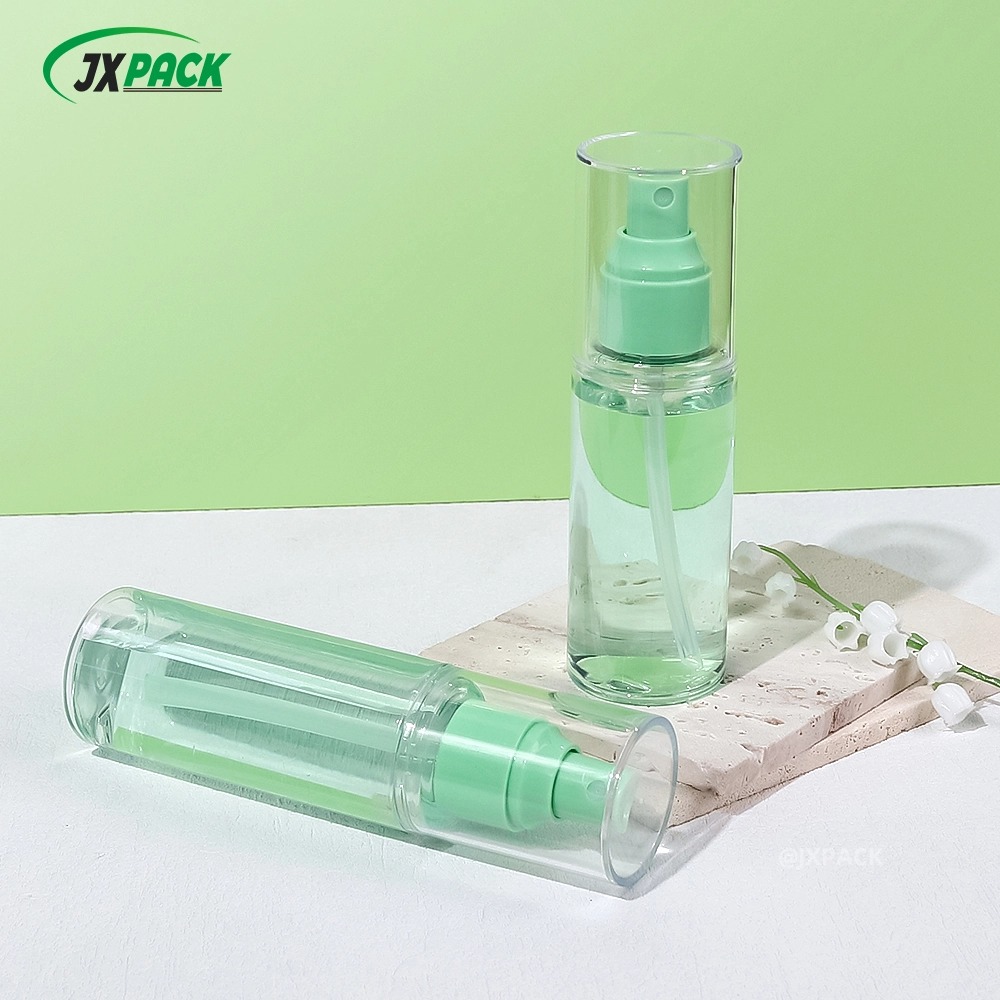
Your packaging is often the very first interaction a potential customer has with your brand, making it a pivotal element of your product strategy. Attractive and functional containers can instantly set your products apart on a crowded shelf and appeal directly to your target audience. But the importance of cosmetic packaging goes far beyond surface-level aesthetics.
It serves as the primary shield for your formulation. Proper cosmetic packaging ensures your products remain safe from contamination and hygienic to handle, preserving their integrity from the factory to the vanity shelf. Furthermore, it is a crucial vehicle for communicating brand identity and providing essential information, like ingredients and usage instructions. Ultimately, the quality of your packaging often signals the value of the product inside, turning first-time buyers into loyal followers by delivering an excellent end-to-end user experience.
When we talk about cosmetic packaging, it’s helpful to understand that it often exists in multiple layers, each with a distinct purpose. This system ensures your product is protected, well-presented, and ready for transit.
Primary Packaging (Product Packaging): This is the container that comes into direct contact with the cosmetic product itself—the bottle, jar, or tube. Its main function is to house the formula and maintain its quality and stability.
Secondary Packaging (Inner Packaging): This is the next layer out, such as the box that encloses the primary container. Its purpose is to provide an additional layer of protection while also serving as a key marketing tool for shelf displays.
Tertiary Packaging (Outer Packaging): This refers to the outermost container used to group products for shipping. Its sole purpose is to protect everything inside during transit from the warehouse to the retailer or customer.
The material you choose is the foundation of your cosmetic packaging. It affects everything from chemical compatibility and durability to brand aesthetic and sustainability. The three most common materials used in the industry are plastic, glass, and metal, each offering a unique set of qualities. Selecting the right one is about balancing your product’s needs with your brand’s identity and budget.
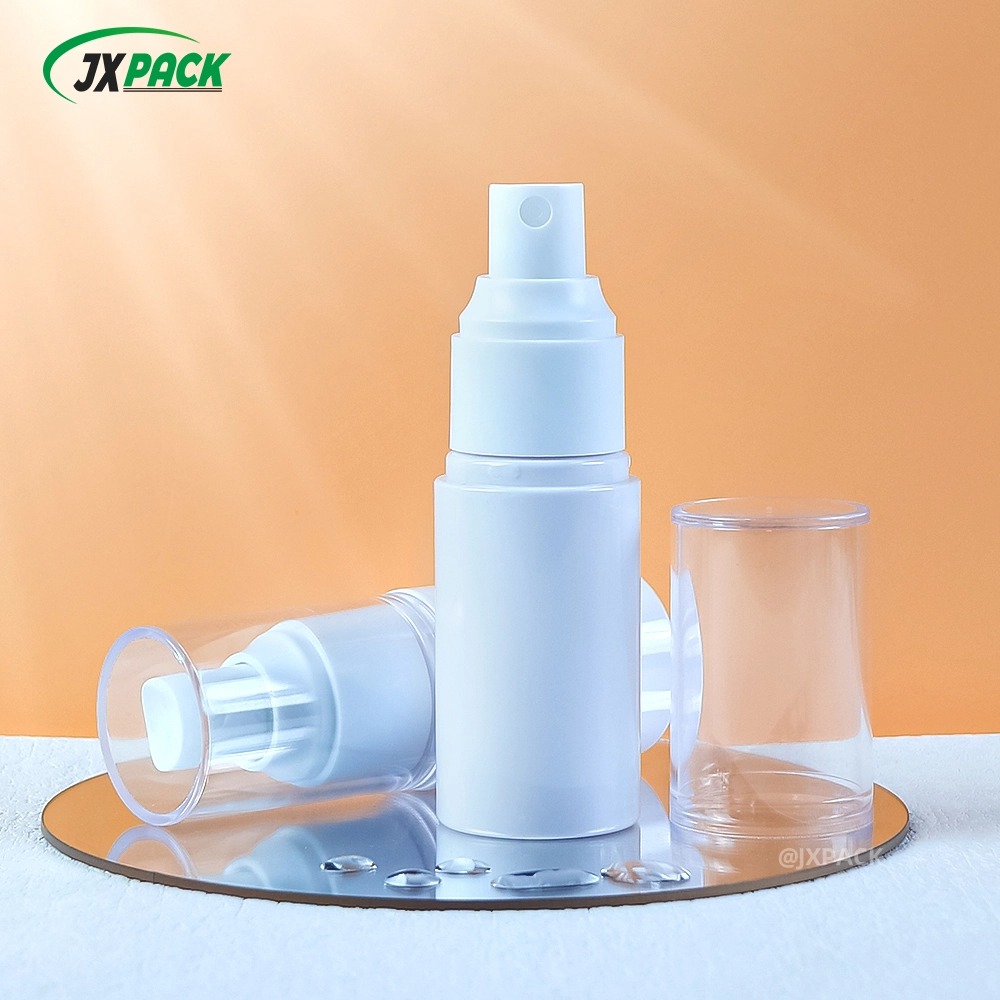
Plastic is one of the most common materials in cosmetic packaging for a reason: it is inexpensive, lightweight, shatterproof, and incredibly versatile. It can be molded into an endless variety of shapes and sizes, offering immense design flexibility. With over 12 years of experience in the professional production of plastic bottles, we understand how to leverage these materials to create packaging that is both functional and beautiful. However, it's crucial to choose high-quality, cosmetic-grade plastic that won’t compromise your product’s integrity.
PET (Polyethylene Terephthalate): Known for its crystal-clear appearance, PET lends a premium, glass-like look to products. It effectively stops chemical reactions when storing products long-term and is resistant to oils and alcohols, making it an excellent choice for serums, toners, and light creams.
HDPE (High-Density Polyethylene): As an opaque and versatile plastic, HDPE offers excellent tensile strength and resistance to many solvents. It's a great choice for products like shampoos, conditioners, and body washes. HDPE is also recyclable, appealing to environmentally-conscious consumers by contributing to a circular economy.
PP (Polypropylene): This material is celebrated for its high chemical resistance, making it a stable choice for creams, lotions, and balms. You will often find PP used for jars with wide mouths, as it is durable and holds up well against thicker formulations.
LDPE (Low-Density Polyethylene): The flexibility and squeezable nature of LDPE make it the perfect material for tubes and squeeze bottles, which are ideal for gels and pastes.
Acrylic and SAN/AS: These plastics are often used for luxury cosmetic packaging because they mimic the clarity and weight of glass. However, they have lower chemical resistance and are frequently used with protective inner linings to prevent direct contact with the product.
Glass is a premium choice that instantly adds a touch of sophistication to any product line. As a non-crystalline amorphous solid, it is non-reactive, meaning it won’t undergo chemical reactions with ingredients like alpha hydroxy or beta hydroxy acids. This inert nature helps preserve a formula’s integrity, making it a top choice for high-end emulsions, serums, and creams. Glass is also highly recyclable and reusable, aligning with sustainability goals. The primary downsides are its weight and fragility; it is heavier than other options and can break easily, which can also increase shipping costs.
Metal containers, typically made from aluminum or tin, offer a unique vintage aesthetic that can help products stand out on the shelf. They are lightweight, durable, and provide excellent protection against contamination and external elements. While often used for powders, balms, and scrubs, aluminum is also a durable choice for aerosol cans. A key consideration is that metals can sometimes react with certain ingredients, which could impact the quality of the product over time.
After selecting a material, the next step is choosing a container style that aligns with your product’s form and function. The right type of cosmetic packaging ensures a positive and seamless user experience.
Container Type | Description | Best For | Common Materials |
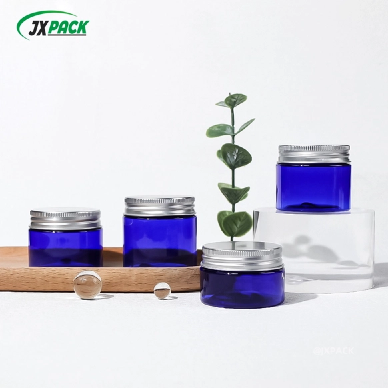
Jars & Pots | Wide-mouthed containers with screw-on lids that allow users to scoop out the product easily. | Thick creams, balms, loose powders, clay masks, and creme eyeshadows. | Glass, Plastic (PP) |
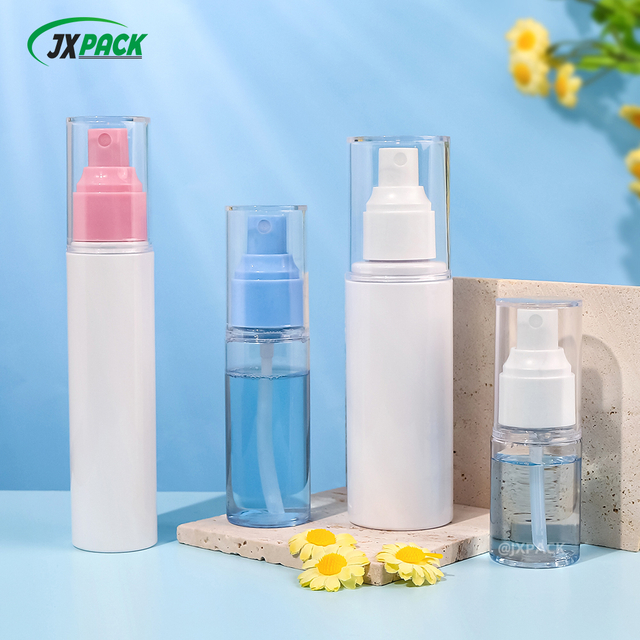
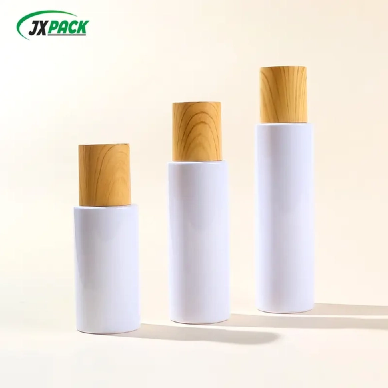
Bottles | Versatile containers for liquids, available in many sizes and compatible with various dispensers. | Serums, lotions, toners, foundations, mists, and facial oils. | Glass, Plastic (PET, HDPE) |
Tubes | Lightweight, portable, and flexible containers that allow products to be squeezed out. | Gels, lotions, concealers, lip glosses, and pastes. | Plastic (LDPE) |
Compacts | Small, portable cases with a hinged lid, often including a mirror for on-the-go touchups. | Pressed powders, bronzers, blushes, and eyeshadows. | Plastic, Metal |
Sachets & Pouches | Small, flexible packets ideal for single-use samples or lightweight products like face masks. | Samples of creams or gels, face masks, and bath salts. | Flexible Foils & Plastics |
When it comes to bottles, the dispenser you choose is just as important as the bottle itself.
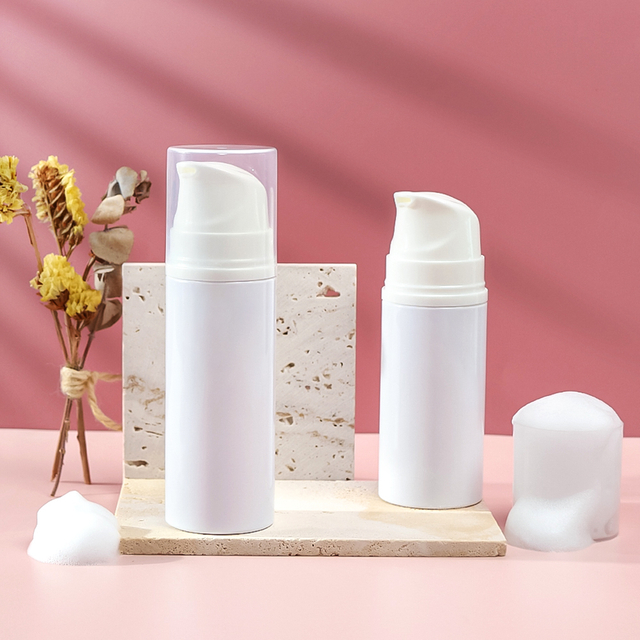
Pumps: Ideal for controlling the amount of product dispensed, pumps are perfect for lotions, liquid soaps, and serums. Airless pumps are especially great for protecting sensitive formulas from air exposure.
Droppers: These allow for precise, controlled application, making them excellent for potent serums and facial oils.
Sprayers: Best for creating a fine mist, sprayers are the top choice for facial mists, toners, and setting sprays.
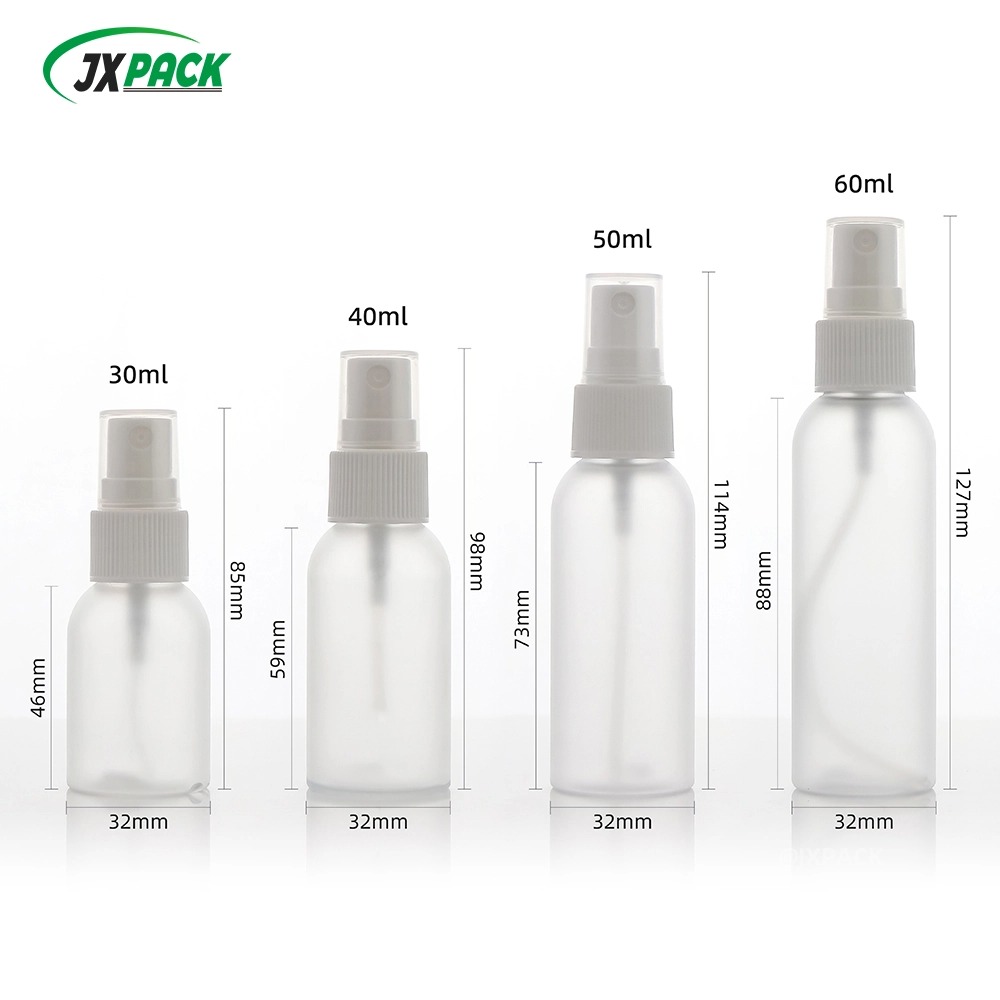
Making the right choice requires a strategic approach. Follow these five steps to select the ideal cosmetic packaging for your product and brand.
Before you even consider aesthetics, you must ensure your packaging is compatible with your product. Certain ingredients can react with materials, leading to leaching, warping, or spoilage. Always test your formula directly with your chosen packaging, especially if it contains essential oils, acids, or alcohols, to ensure long-term stability. For formulas with ingredients sensitive to oxidation, like Vitamin C or retinol, consider airless bottles or opaque containers that block light.
Your cosmetic packaging should speak directly to your ideal customer and align with your brand’s personality. Is your brand minimalist and clinical, or vibrant and playful? A luxury brand targeting mature consumers might opt for heavy, elegant glass jars, while a brand aimed at teens might choose colorful, portable plastic tubes. Visual consistency is key to building a strong brand. If you are looking for a unique appearance, custom design services can help translate your brand vision into a tangible package, from the bottle’s shape to the printed pattern.
Think about how your customer will use the product daily. Packaging that is difficult to open, leaks, or fails to dispense the product effectively will only lead to frustration. If your product is intended for travel or on-the-go touchups, prioritize containers that are lightweight, durable, and portable, such as tubes and compacts.
Your cosmetic packaging must be robust enough to protect the product during shipping and handling. Fragile materials like glass may require more extensive and expensive inner packaging to prevent breakage during transit. Additionally, heavier materials will increase your shipping costs, a factor that is especially important for small businesses and direct-to-consumer brands to consider.
Today’s consumers are more environmentally conscious than ever, and many actively seek out brands that use sustainable packaging. Choosing eco-friendly options can be a powerful differentiator for your brand. Look for materials that are easily recyclable, such as PET, HDPE, and glass. You can also explore refillable packaging systems or containers made with post-consumer recycled (PCR) content to reduce your environmental footprint.
For small cosmetic businesses, overlooking technical details can lead to costly mistakes. Two of the most critical areas are neck finishes and sealing.
Decoding Neck Finishes: When buying screw-on caps, pumps, or sprayers, the neck finish is everything. This is typically represented by two numbers, like "24-410". The first number (24) is the diameter of the opening in millimeters, while the second number (410) indicates the thread style. A 24-410 cap will only fit a 24-410 bottle, so you must double-check that your components match before ordering.
The Critical Role of Sealing: A proper seal is not optional; it’s essential for product safety and consumer trust. An induction seal uses a foil liner to create a tamper-evident, leak-proof barrier, which is ideal for liquids. Pressure-sensitive liners stick to the rim of a jar and are great for dry goods or thick creams. Without a proper seal, you risk contamination, returns, and damage to your brand’s reputation.
Choosing Based on Looks Alone: A beautiful container is useless if it degrades your formula. Always test for chemical compatibility.
Ignoring Functional Usability: If customers struggle to use your product because of poor packaging, they are unlikely to repurchase.
Mismatching Caps and Containers: Ordering components with incompatible neck finishes is a common and completely avoidable waste of money.
Skipping a Proper Seal: Forgoing a seal can lead to product spoilage and lost consumer trust, which is difficult to regain.
Ordering in Bulk Too Early: Avoid committing to thousands of units until you have validated your product with real customers. Start small and scale up.
Q: What is the most sustainable cosmetic packaging?
A: There isn't one "most sustainable" option, as it depends on the product and life cycle. Glass is infinitely recyclable but requires more energy to produce and transport, while plastics like PET and HDPE are lightweight and widely recycled. Refillable systems and packaging made from post-consumer recycled materials are also excellent sustainable choices.
Q: What's the best packaging for sensitive skincare formulas?
A: Airless pump containers are ideal for sensitive formulas as they prevent oxidation by minimizing air exposure. For light-sensitive ingredients, opaque or colored glass bottles, such as amber or cobalt blue, offer the best protection.
Q: How do I choose cosmetic packaging on a small budget?
A: Plastic containers, particularly those made from PET, HDPE, and PP, are generally the most cost-effective options. To save money, start with stock packaging available from suppliers and place smaller orders to manage costs before scaling up.
Q: Does packaging really affect a product's shelf life?
A: Absolutely. The right cosmetic packaging is crucial for preservation. Airtight seals and opaque materials protect sensitive ingredients from air and light, which can degrade them over time and shorten the product's effective shelf life.
If you are ready to find the perfect plastic bottles for your cosmetic line or wish to explore custom design options, we are here to help.
Contact us today to learn more about our packaging solutions and get a personalized quote.